Break It to Keep It: How Creators Are Using Remix as a Form of Cultural Reclamation

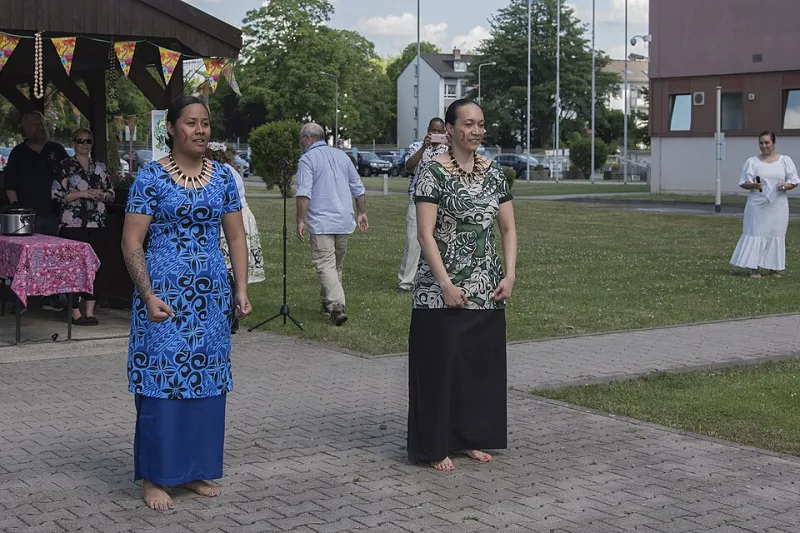
Photo: K-POPIT 케이팝잇, CC BY 4.0, via Wikimedia Commons
There's a moment in a lot of viral videos where something familiar suddenly becomes something entirely new. A traditional Chinese erhu melody layered under a trap beat. Hanbok silhouettes reconstructed in streetwear proportions. Calligraphy strokes animated into graffiti tags. Your brain registers the original reference almost immediately — and then the remix hits, and something clicks into place that feels both surprising and completely inevitable.
This is what cultural reclamation looks like in 2024. And it's happening everywhere.
What We Actually Mean by Remix
The word "remix" has been hanging around music culture for decades, but what's happening in the broader creative landscape right now is something more expansive than a producer flipping a sample. Today's cultural remix is a full creative methodology — a way of engaging with inherited traditions that refuses to treat them as museum pieces.
For creators who grew up between cultures, remix isn't just an artistic choice. It's often the most honest way to represent lived experience. When you've absorbed two or three cultural frameworks simultaneously — the aesthetics your grandparents carried, the pop culture you grew up with in the US, the digital visual language of the internet — making something that only lives in one of those registers feels incomplete. The remix is the authentic expression.
TikTok as a Cultural Lab
No platform has accelerated this dynamic quite like TikTok. The algorithm's indifference to follower counts has created something genuinely unusual: a space where a creator in their apartment in Houston can put a traditional Vietnamese đàn bầu melody in conversation with hyperpop production, post it at midnight, and wake up to 800,000 views from people who've never heard either reference before.
What's interesting isn't just the virality. It's why it lands. Audiences — especially younger ones — aren't encountering these videos as curiosities or as educational content about cultural heritage. They're encountering them as music they like, as aesthetics they're drawn to, as fashion they want to replicate. The cultural specificity becomes a feature, not a context note.
Creators like this are quietly doing something significant: they're expanding what the traditions they're drawing from mean to people who didn't grow up inside them, while simultaneously making those traditions legible and exciting to people who did.
The Preservation vs. Innovation Debate (And Why It's the Wrong Frame)
Anytime remix culture comes up in conversations about cultural heritage, the same tension surfaces. Purists worry about dilution. Traditionalists ask whether young creators actually understand what they're playing with before they start recontextualizing it. It's a fair concern, and it deserves a real answer rather than a dismissal.
But here's the thing: the binary between preservation and innovation is mostly a false one. Traditions have always changed. The version of any cultural practice that gets labeled "authentic" or "traditional" is usually just the version that got frozen in amber at a particular historical moment, often for reasons that had as much to do with politics and migration as with artistic intention.
The more interesting question isn't should creators remix their inherited traditions — they're going to, because that's how culture actually works. The more interesting question is what relationship a creator has with the source material before they start pulling it apart.
The most compelling remix work tends to come from creators who have done the homework. Who know the original context. Who can articulate what they're keeping, what they're breaking, and why. That knowledge doesn't constrain the remix — it makes it richer.
When Reclamation Gets Political
Some of the most charged remix work happening right now isn't just aesthetically provocative — it's explicitly political. Artists using traditional motifs in ways that critique the cultures those motifs came from. Creators reclaiming aesthetic languages that were previously associated with shame or stigma and wearing them loudly.
There's a particular thread of this in Asian-American creative communities right now that's worth paying attention to. Artists who grew up being told to assimilate — to minimize the visual and sonic markers of their heritage in professional and creative spaces — are now doing the opposite with full force. The traditional references aren't being whispered. They're being amplified, distorted, celebrated, and sometimes deliberately made strange.
This is reclamation in the most direct sense. Taking back the thing that was supposed to be a liability and making it the loudest part of the room.
Why Audiences Are Hungry for This
There's a cultural exhaustion with homogeneity that's been building for a while. Algorithmic content has made a lot of the internet feel like it was designed by committee — optimized, smoothed out, identically palatable. Into that environment, work that has a genuinely specific cultural fingerprint lands like a shock of cold water.
Audiences aren't just appreciating the novelty. They're responding to the realness of it. When a creator is working with material that has actual weight — personal history, inherited meaning, the complexity of navigating multiple cultural worlds — that weight comes through. It's felt, even when it isn't fully understood.
The Studio as a Site of Negotiation
What all of this points to is something that feels central to what creative practice means right now, especially for artists operating at cultural intersections. The studio — whether it's a literal space or just the creative process — has become a site of ongoing negotiation. Between tradition and experiment. Between audience and intention. Between the culture you were handed and the one you're building.
That negotiation isn't a problem to be solved. It's the work. And the creators who are leaning into it, rather than trying to resolve it cleanly, are making some of the most alive, most resonant things happening in the creative landscape right now.
Break it to keep it. Remix it to own it. That's not disrespect for what came before — it might actually be the most honest form of respect there is.