Why Your Creative Practice Needs an Off Switch (And How to Actually Build One)
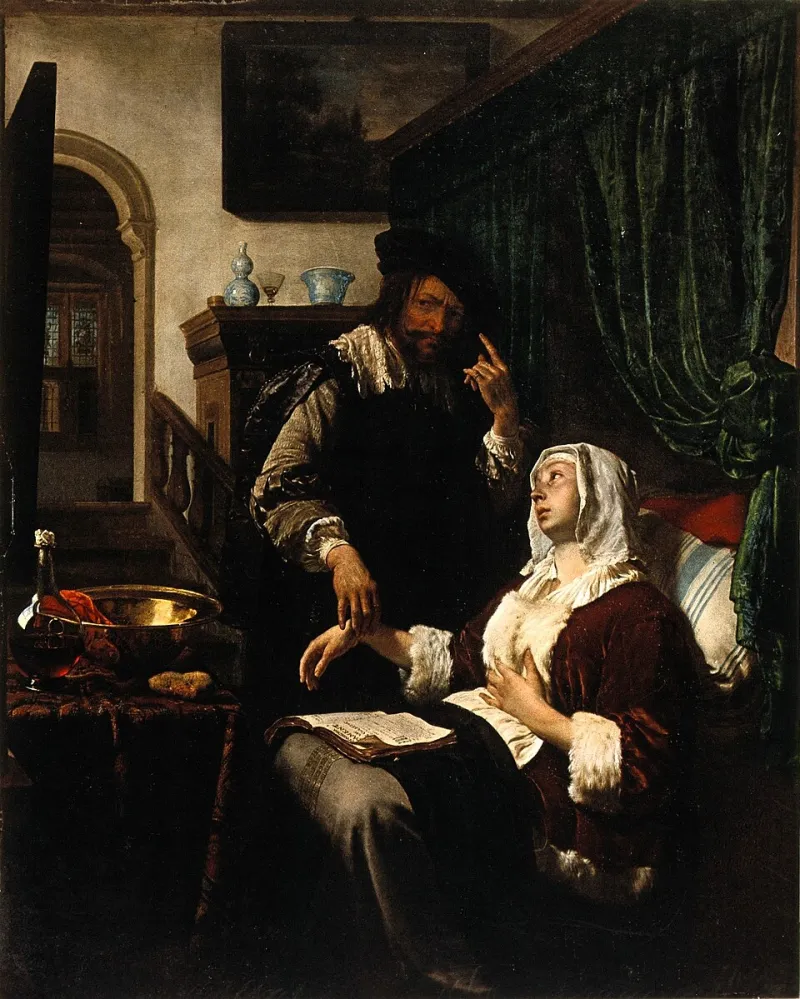
Photo: Frans van Mieris the Elder, Public domain, via Wikimedia Commons
Somewhere along the way, the creative world absorbed a very specific kind of bad advice. It usually sounds something like: if you're truly passionate, you won't burn out. Burnout just means you weren't that committed to begin with.
This is, to put it plainly, nonsense. And it's done a lot of damage.
Burnout among freelancers and independent creators isn't a sign of insufficient passion. It's often a sign of the opposite — people who care so much that they never learned how to stop. Combine that with the financial pressure of making your art your livelihood, and you've got a recipe for creative exhaustion that no amount of journaling prompts will fully fix.
Let's talk about what actually helps.
The Specific Way Creative Burnout Feels Different
General workplace burnout is well-documented. But creative burnout has its own particular texture, and it's worth naming.
For most creators, the early warning signs aren't exhaustion — they're numbness. You're still technically working. You're still producing. But the work feels hollow. The decisions that used to feel exciting now feel like chores. You start second-guessing every creative choice, not because you're growing, but because you've lost your internal compass.
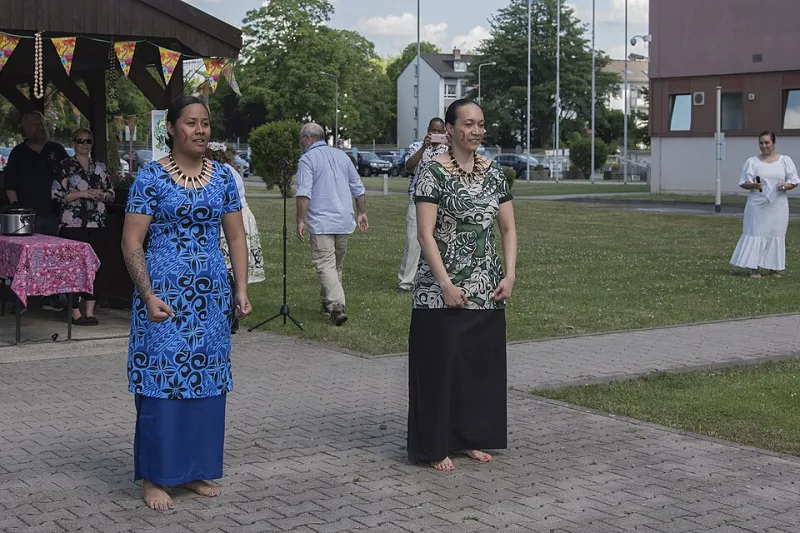
For creators who are also navigating questions of cultural identity in their work — artists whose practice is rooted in their heritage, their background, their community — there's an additional layer. There's pressure, often unspoken, to be a representative. To carry the weight of a narrative that's bigger than any one person. That weight gets heavy fast.
Recognizing burnout early matters because the deeper you go into it, the longer the recovery. And the creative industry has a nasty habit of rewarding people who push through at the expense of their long-term capacity.
The Problem With 'Do What You Love'
The classic career advice — turn your passion into your profession — skips a few important steps. Specifically, it skips the part where loving something and being paid for it require completely different skill sets and psychological frameworks.
When your creative work is also your income, every project carries financial stakes. A bad week isn't just creatively frustrating — it's threatening. The pressure to produce, to stay relevant, to keep clients happy, to market yourself constantly — all of that sits on top of the actual creative work. And over time, the overhead of running a creative business can start to swallow the creative practice itself.
This is especially true for freelancers juggling multiple clients or projects. You become a project manager, an accountant, a marketer, and a creator all at once. None of those roles are inherently incompatible — but without intentional structure, they compete for the same limited mental energy.
Designing Your Practice for the Long Haul
So what does a sustainable creative practice actually look like? A few structures worth considering:
Separate your creative energy from your business energy. These are genuinely different cognitive modes. Creative work — the generative, exploratory stuff — tends to happen best in uninterrupted blocks, ideally earlier in the day for most people. Business tasks (emails, invoices, proposals, social media) can happen in a different part of the day entirely. This isn't always possible, but even partial separation helps.
Build in deliberate fallow periods. Agriculture figured this out centuries ago: you can't harvest the same field indefinitely without giving it time to rest. Creative output works similarly. Scheduling intentional slow periods — weeks where you're in input mode rather than output mode, consuming work that inspires you, traveling, reading, just living — isn't laziness. It's maintenance.
Know the difference between resistance and depletion. Resistance is that feeling of not wanting to start, which often dissolves once you're actually working. Depletion is when you start and there's genuinely nothing there. They feel similar from the outside but require opposite responses. Resistance usually needs a push. Depletion needs rest. Confusing the two is one of the most common ways creators make their burnout worse.
Have at least one creative outlet that isn't monetized. This sounds counterintuitive if you're trying to build an income from your art, but it's genuinely protective. A sketchbook that's only for you. A playlist you make for no one. A side project with zero commercial intent. Keeping some corner of your creativity free from financial pressure keeps the whole thing from feeling like a transaction.
When to Push Through vs. When to Pivot
This is the question everyone eventually faces, and there's no clean universal answer. But there are a few useful signals.
Pushing through makes sense when the work still feels meaningful even when it's hard. When you're struggling with execution but not with purpose. When the burnout is situational — tied to a specific project or period — rather than chronic.
Pivoting makes sense when the core premise of your practice no longer fits who you are. When you've outgrown a niche, or when the market you built for has changed in ways that conflict with your values. When the financial model you set up is structurally unsustainable no matter how hard you work.
Pivoting doesn't mean starting over. It usually means evolving — taking what you've built and redirecting it toward something that has more room to breathe.
The Long Game Is the Real Flex
In a culture that celebrates the overnight success story and the 30-under-30 list, playing the long game can feel unglamorous. But the creators who are still doing interesting work in their 40s and 50s — who have built something durable and genuinely theirs — almost universally got there by learning how to pace themselves.
Burnout isn't a badge of honor. It's not proof you cared enough. It's a sign that the system you built — or didn't build — needs adjustment.
Your creative practice is worth protecting. Build the off switch before you need it.